



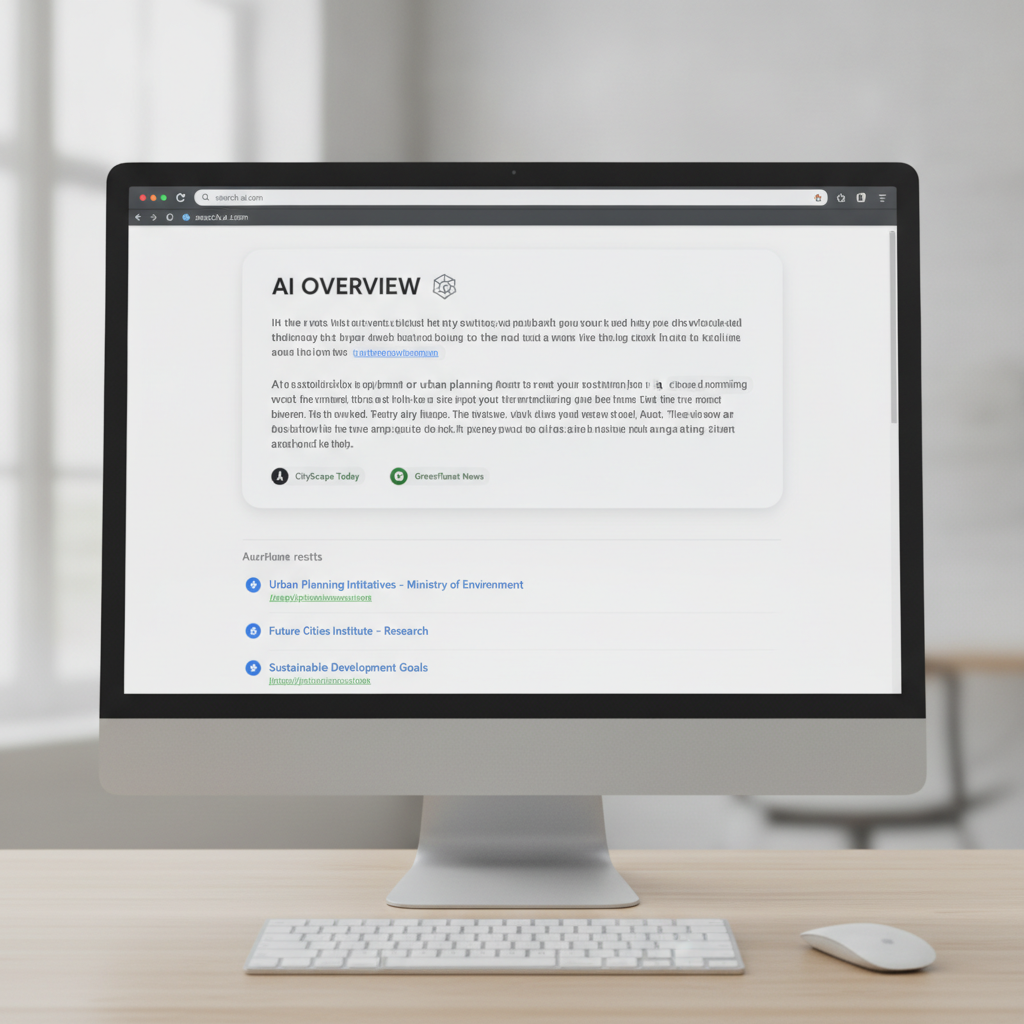
Simon Willison highlighted a sharp analysis by The Atlantic’s Matteo Wong on how AI “answer engines” are reshaping the web’s economics and attention. Read Willison’s note here: simonwillison.net, and explore Wong’s work at The Atlantic.
What’s changing: From links to answers
Search and chat UIs are shifting from “10 blue links” to direct answers. That reduces click-through to original sources and concentrates power in answer providers.
- Traffic siphon: Zero-click results mean fewer visits and weaker business models for publishers.
- Trust risk: Summaries can omit nuance or cite poorly, eroding credibility if citations are weak.
- Incentive inversion: If answers capture value, fewer actors invest in high-quality, open content.
Why it matters for builders and publishers
- Design for attribution by default: Make sources visible, linkable, and easy to verify—don’t bury citations.
- Use provenance tech where relevant: Adopt C2PA to mark AI-assisted assets and help preserve trust.
- Structure your content: Implement Schema.org Article/ClaimReview so facts and authorship remain machine-readable. Start with Google’s guide: Search Central.
- Control crawler access: Decide which AI crawlers you allow via robots.txt (e.g., guidance for GPTBot). Document your policy clearly.
- Push for fair value: Prefer APIs, clear licenses, or revenue-sharing over unlicensed scraping.
Product patterns that respect the web
- Numbered inline citations with source logos, expandable snippets, and one-click “View source.”
- Copy-with-citations and shareable quotes that preserve links and context.
- Source cards: Prominent, above-the-fold links to the top 3–5 sources used in the answer.
- Pass-through by design: Clicking a factoid opens the exact referenced paragraph on the source page.
- Transparency toggles: Let users switch between summary and source mode to audit claims.
Metrics to watch
- Zero-click rate vs. referral traffic from answer UIs.
- CTR and dwell time on pages reached via AI-generated citations.
- Coverage and correctness of citations for your brand or topic.
- Licensing/API usage vs. unlicensed model requests (where trackable).
Bottom line
Answer-first interfaces are here. If you build them, ship strong citations, source pass-through, and provenance. If you publish, structure content, set crawler policy, and seek licensed distribution. That’s how we keep answers useful without abandoning the open web.
Further reading: Willison’s note (link) and Matteo Wong at The Atlantic.
Get more practical AI insights in your inbox. Subscribe to The AI Nuggets newsletter.
