



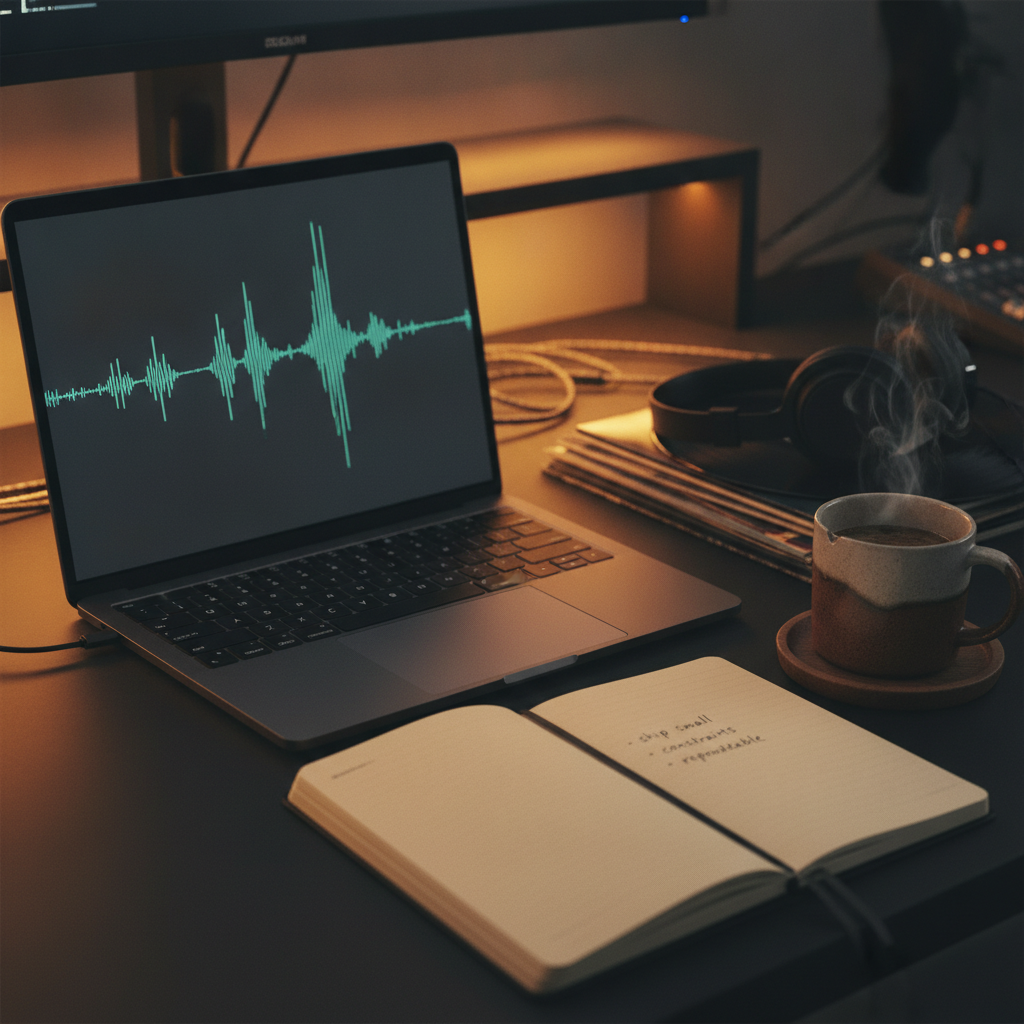
What can AI teams learn from long-running engineering conversations like Oxide & Friends? A lot about how to ship faster without burning quality.
For a taste, see Simon Willison’s post referencing Oxide & Friends: link. It’s a good nudge to study how expert builders talk, decide, and iterate.
5 builder habits worth stealing
- Ship in small, reviewable slices. Break work into PR-sized chunks with a demo every week. Smaller batches reduce risk and make feedback cheap.
- Narrate your build. Keep lightweight notes: what you tried, what broke, and why the current path won. Public or private, a running log accelerates team context.
- Start with constraints. State limits early (latency, cost ceilings, model size, data rules). Clear guardrails speed decisions and prevent rabbit holes.
- Make experiments reproducible. Pin versions, capture seeds, and script env setup. If a teammate can’t rerun your result in one command, it isn’t done.
- Debrief in writing. Short postmortems after launches or incidents harden instincts and make future reviews dramatically faster.
Apply it this week
- Time-box a feature into three demoable slices and schedule a 15‑minute Friday review.
- Add a
CHANGELOG.mdor “lab notebook” section in your repo README and log daily decisions. - Write a one-paragraph constraints brief (SLOs, budget, privacy rules) and pin it to the issue.
- Create a
make reproduce(or shell script) that sets up deps, downloads test data, and runs your benchmark end-to-end.
Resources
- Simon Willison on Oxide & Friends context: simonwillison.net
- Oxide & Friends podcast archive: oxide.computer
- Why small batches win (DORA research): Google Cloud DORA
Takeaway
Adopt small batches, visible notes, crisp constraints, reproducibility, and written debriefs. You’ll ship AI features faster—and recover faster when things break.
Enjoy this? Get one practical AI nugget in your inbox each week—subscribe to our newsletter: theainuggets.com/newsletter.
