



New AI tools drop daily. Before you integrate the next shiny library, run this fast, repeatable checklist to gauge quality, reliability, privacy, and cost.
Context: Simon Willison shared a post about a new project called “Pedalican.” Regardless of the tool, this framework helps you decide if it’s ready for your stack. See the post: simonwillison.net/2026/Jul/14/pedalican.
The 10-minute repo scan
- Purpose: Clear one-sentence value prop in the README (what it does, who it’s for).
- Quickstart: Install + run example in under 5 minutes (no hidden setup).
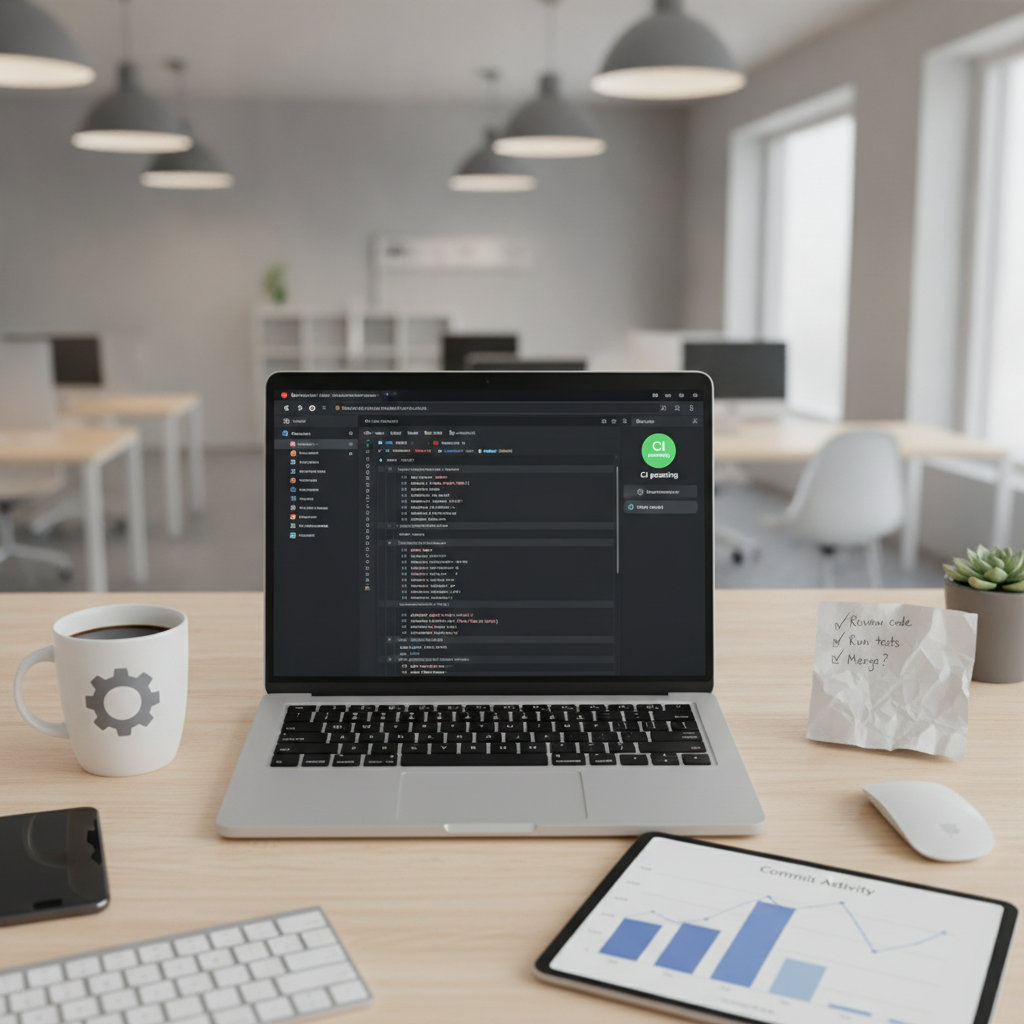
- Maintenance: Recent commits, tagged releases, passing CI badge, open issues triaged.
- License: Permissive (MIT/Apache-2.0/BSD) or clearly stated.
- Bus factor: Multiple maintainers and active reviewers.
- Security hygiene: Pinned deps, minimal scopes for tokens, no secrets in repo.
API ergonomics check
- Minimal example: Hello-world under 10 lines, copy/paste friendly.
- Predictable defaults: Timeouts, retries, and streaming clearly configurable.
- Config: ENV vars or simple config file; no hard-coded keys.
- Types and docs: Type hints, docstrings, and clear error messages.
Reliability and evals
- Tests: Unit/integration tests runnable locally (e.g.,
pytest). - Evals: Scripted benchmarks with datasets and seed for reproducibility.
- Observability: Logging, tracing, and prompt/version tracking where relevant.
Privacy and data handling
- Model endpoints: Clear statement on data retention and training use.
- PII: Redaction or configurable filtering; opt-out of telemetry.
- Storage: Local cache locations, TTLs, and purge commands documented.
Cost and performance signals
- Token accounting: Built-in usage metrics and cost estimates.
- Latency controls: Batching, caching, and concurrency options.
- Model flexibility: Choice of lighter/cheaper models for non-critical paths.
Real-world proof
- Demos: Live demo, Colab/Notebook, or quick CLI workflow.
- Examples: Clear examples folder and copyable recipes.
- Adoption: Case studies, issue discussions, or references beyond stars.
Five-command smoke test
- Clone repo and install:
pipx/pip install .ornpm/yarn/pnpmas relevant. - Run the hello-world example verbatim.
- Change one parameter; confirm predictable behavior.
- Run tests:
pytestor project’s test command; note failures. - Skim logs for token usage, errors, and retries.
Red flags — bail early
- Benchmarks without scripts/data to reproduce.
- Vague promises (“state-of-the-art”) with no eval harness.
- No license or restrictive/custom license.
- No tests, failing CI, or stale critical issues.
- Secrets in repo or hard-coded API keys.
- Single maintainer with no governance plan.
Sources and further reading
Simon Willison’s post on “Pedalican” for context: simonwillison.net/2026/Jul/14/pedalican. Also see GitHub’s guidance on community health files: docs.github.com.
Takeaway
Don’t adopt on hype. In 10 minutes, you can validate purpose, ergonomics, reliability, privacy, and cost—and decide whether a tool earns a deeper trial.
Get bite-sized AI playbooks in your inbox—subscribe to our newsletter: theainuggets.com/newsletter.
